Blog
PSR Train Blog
Practical articles for PSRAS candidates — revision plans, PACE Code C checklists, CIT tips, and career guidance for police station representatives in England & Wales.
25 posts · RSS at /blog/feed (Buffer-ready)
Latest posts
PSRAS Prep · 2026-09-04
Special Warnings Practice Questions (CJPOA ss.36–37 Quiz)
This is a special warning quiz — CJPOA 1994 ss.36–37 — not another Code C drill or a s.34 adverse-inference explainer. Sit five original items on objects, marks, presence, and when a failure-to-account inference is properly available, check the answers by statute or Code C rule, then open the wider bank with a free account while PSR Train is testing.
Read post →
PACE · 2026-08-20
PACE Code C Practice Questions (2026 Quiz)
This page is a PACE Code C quiz — not another Code C explainer. Sit five original items on the detention clock, the caution, s.58 delay, appropriate adults, and the first detention review, check the answers by Code reference, then open the wider bank with a free account while PSR Train is testing.
Read post →PSRAS Prep
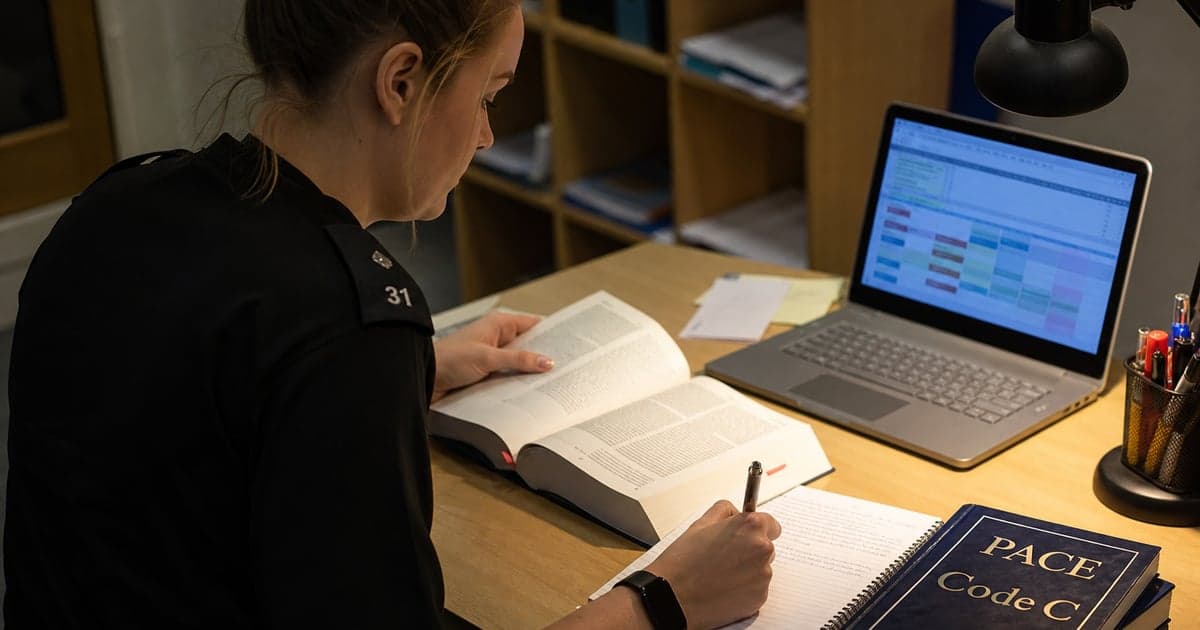
Your First Week of PSRAS Revision: A Practical Plan
9 min read · 2026-06-01
Starting PSRAS preparation can feel overwhelming. This first-week plan gives police station representative candidates a realistic structure: baseline reading, timed practice, and firm-aligned goals without pretending one size fits every firm pathway.
Read post →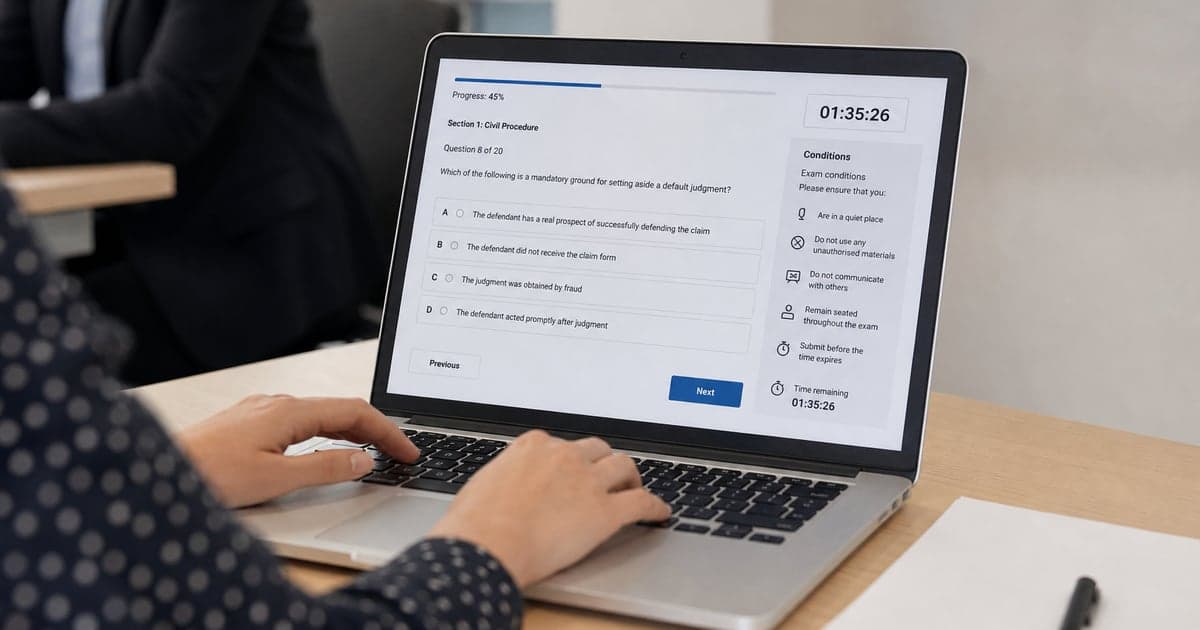
Mock Exam Strategy for PSRAS: When and How to Sit Full Papers
9 min read · 2026-06-14
Full mock exams are valuable only when timed correctly in your preparation arc. Sit them too early and you learn panic; sit them too late and you miss pattern feedback. This strategy guide helps PSRAS candidates use mocks to diagnose weak syllabus areas and build exam-day stamina without treating scores as fortune-telling.
Read post →
Disclosure Before Interview: What Reps Need to Advise
10 min read · 2026-06-19
Adequate disclosure separates informed interview strategy from guesswork. Police station representatives cannot magic full prosecution files at custody, but they must know what to request, how to record refusals, and how to advise clients honestly when material is incomplete — a core PSRAS skill in MCQs and CIT alike.
Read post →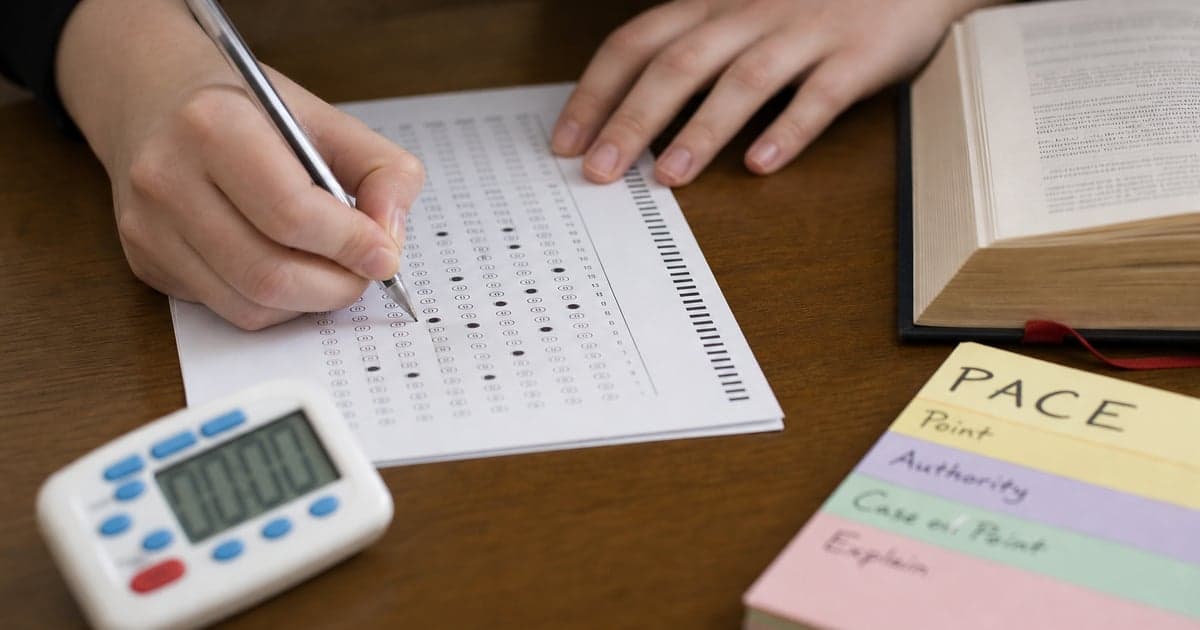
Timed MCQ Techniques for the PSRAS Exam
8 min read · 2026-06-25
PSRAS multiple-choice papers reward accuracy under time pressure. Slow perfectionists and reckless guessers both fail. These techniques help police station representative candidates pace papers, spot trap answers, and use practice data from PSR Train and firm quizzes to sharpen speed without sacrificing Code C precision.
Read post →
Telephone Advice in Custody Cases: PSRAS and Practice Notes
9 min read · 2026-07-07
Not every custody matter needs immediate physical attendance, but telephone advice carries heightened risk — thinner disclosure, privacy failures, and clients who misunderstand remote limits. PSRAS candidates and working reps must know when phone advice suffices, when to travel, and how to document either path defensibly.
Read post →
A Six-Week PSRAS Study Plan for Busy Candidates
10 min read · 2026-07-09
Six weeks is enough for focused PSRAS consolidation if you already have baseline reading and some supervised or observed practice. This plan sequences Code C depth, identification and ethics units, timed mocks, and CIT scenarios for candidates who cannot take months away from work but can commit daily structured blocks.
Read post →
PSRAS Exam Format Explained (2026)
11 min read · 2026-06-26
The Police Station Representatives Accreditation Scheme combines an assessed knowledge element, the Critical Incidents Test, and a supervised portfolio. This guide explains how each component fits together in 2026, what to expect on the day, and how to structure preparation — while reminding you to confirm the current structure and pass standard with the SRA and the assessment organisation, because requirements change.
Read post →
Free PSRAS Practice Questions (Sample Set)
10 min read · 2026-06-28
Practising under timed conditions is the fastest way to lift a PSRAS score, because the knowledge assessment rewards speed and precision as much as recall. This article explains how to use sample questions effectively and works through several PSRAS-style multiple-choice examples with explanations, so you learn to review by Code reference rather than by the correct letter alone.
Read post →Special Warnings Practice Questions (CJPOA ss.36–37 Quiz)
8 min read · 2026-09-04
This is a special warning quiz — CJPOA 1994 ss.36–37 — not another Code C drill or a s.34 adverse-inference explainer. Sit five original items on objects, marks, presence, and when a failure-to-account inference is properly available, check the answers by statute or Code C rule, then open the wider bank with a free account while PSR Train is testing.
Read post →PACE
Code C in the First Hour: A Custody Rep Checklist
10 min read · 2026-06-03
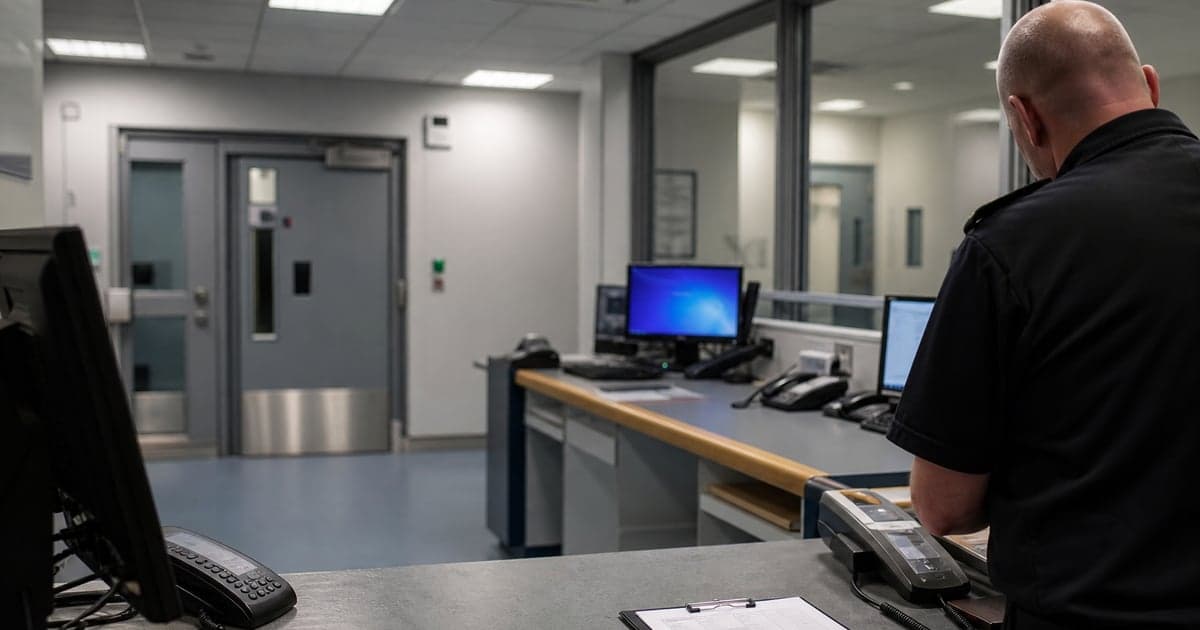
The first hour at a custody suite sets the tone for the entire attendance. This checklist walks through Code C priorities for accredited reps and trainees: lawful detention, access to the client, vulnerability flags, and whether interview planning is premature.
Read post →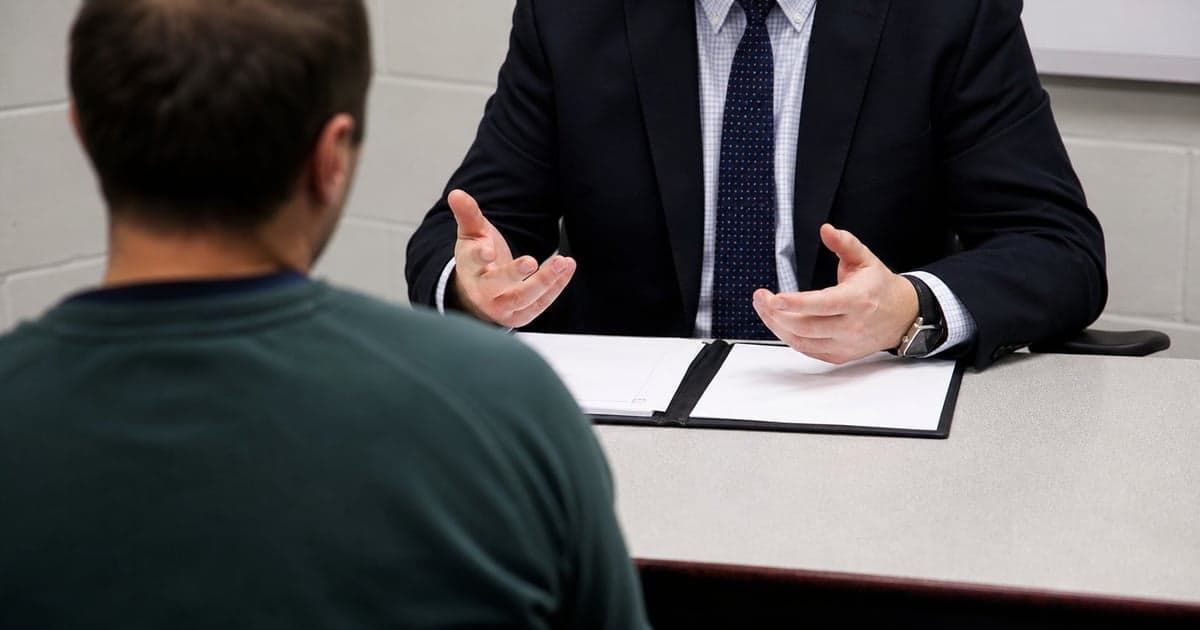
Adverse Inference Advice: What to Tell Clients Before Interview
9 min read · 2026-06-10
Adverse inference is one of the most misunderstood topics in police station representation. Clients hear alarming phrases about silence harming their case; reps must translate statute and Code C into calm, accurate advice without crossing into legal advice they are not qualified to give. This guide sets out a structured approach for consultation and PSRAS preparation.
Read post →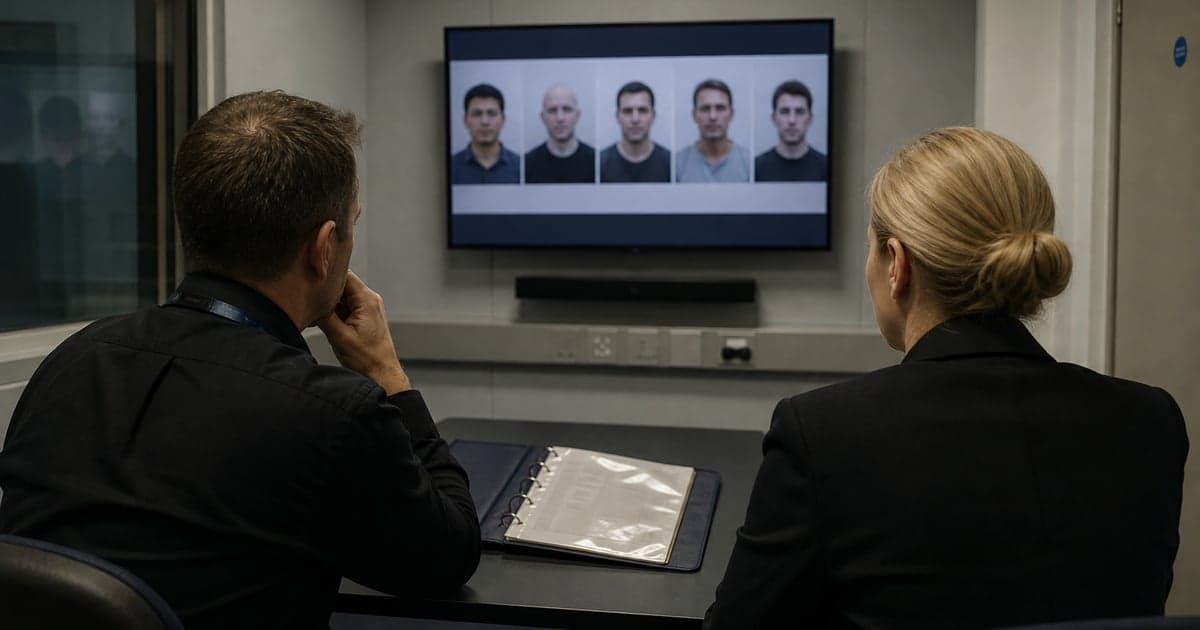
PACE Code D: Identification Basics for Station Reps
10 min read · 2026-06-12
Identification evidence often underpins assault, robbery, and burglary investigations. Police station representatives need Code D literacy even when identification procedure happens after the custody attendance — because pre-interview disclosure, client instructions, and interview strategy all depend on understanding how witnesses purport to recognise suspects.
Read post →
The Appropriate Adult at Custody: A Rep’s Practical Guide
10 min read · 2026-06-15
The appropriate adult safeguard exists because some suspects cannot fairly navigate custody and interview without support. Representatives must verify that the right person is present, properly briefed, and not treated as a substitute for legal advice — failures here are among the most serious Code C breaches in practice and assessment.
Read post →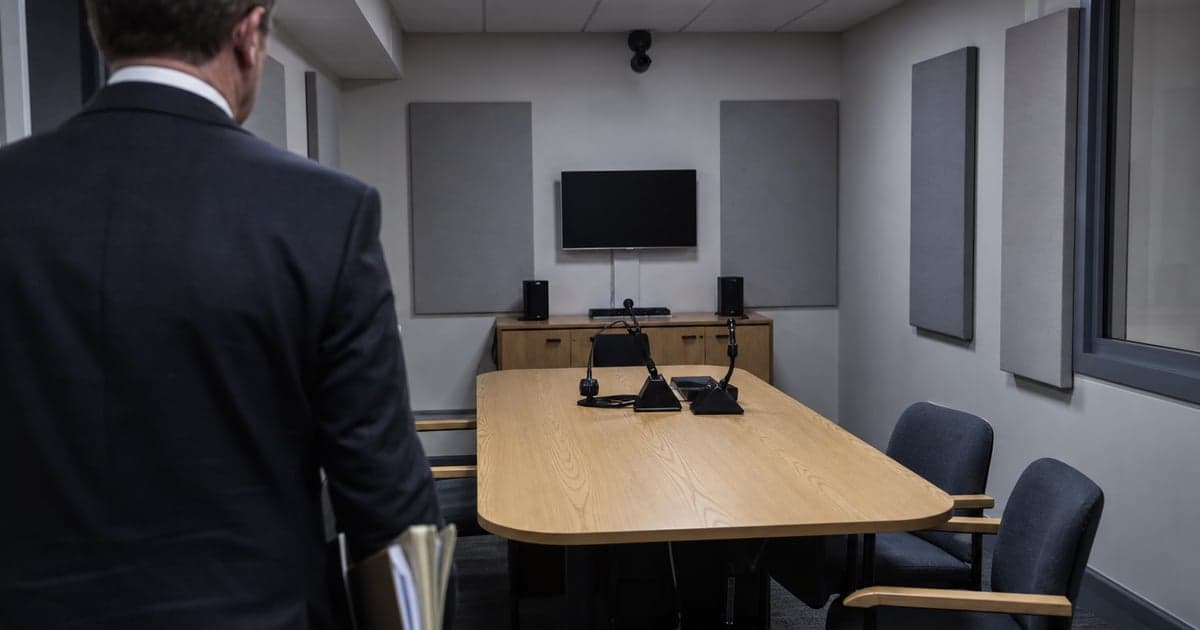
Voluntary Interviews: A Police Station Rep’s Guide
9 min read · 2026-06-17
Voluntary interviews are increasingly common in England and Wales investigations. Clients may not appreciate that they can leave in theory yet face arrest if they do, or that what they say still matters evidentially. Representatives attending voluntary interviews need a distinct checklist from standard custody work.
Read post →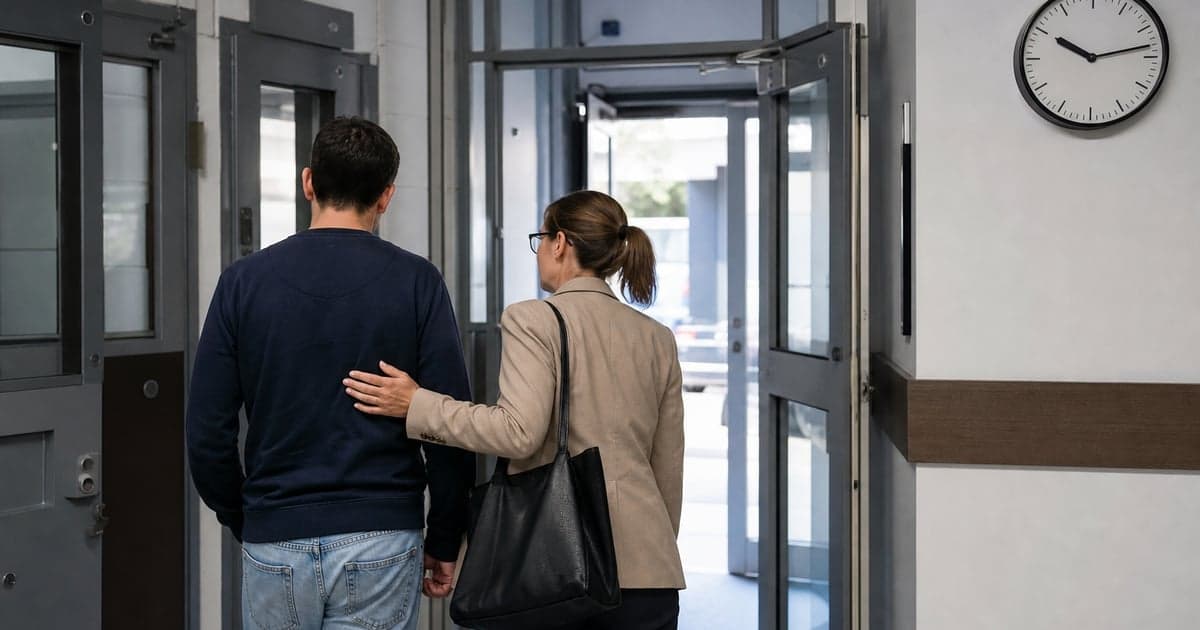
Bail and RUI: Police Station Outcomes Explained for Reps
9 min read · 2026-06-21
The end of a custody attendance is not the end of the client’s journey. Representatives must explain bail with conditions, release under investigation, charge and court dates, and NFA outcomes in language clients can act on — while knowing when to defer detailed condition negotiation to supervisors.
Read post →
Youth Custody: Essentials for Police Station Reps
10 min read · 2026-06-23
Juvenile custody attendances demand heightened Code C awareness. Representatives must protect welfare, enforce appropriate adult safeguards, and communicate with young clients in age-appropriate language — skills tested heavily in PSRAS assessments and relied upon daily in youth justice practice.
Read post →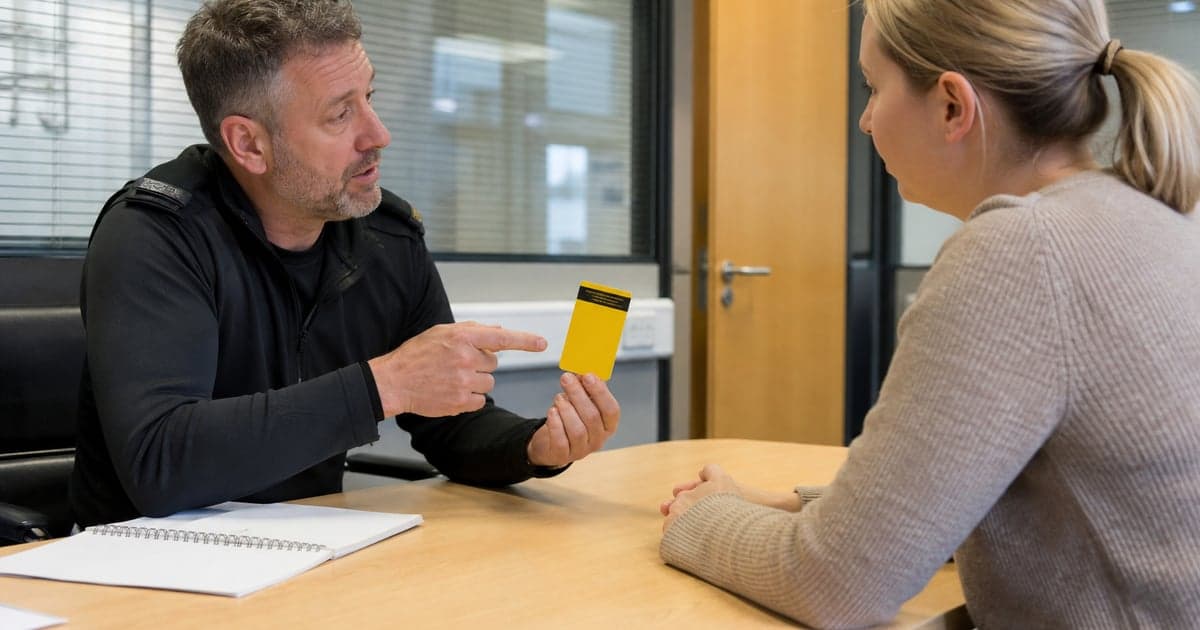
The Caution and Silence: Client Advice for Station Reps
10 min read · 2026-07-01
The caution is the gateway to every interview advice decision. Clients must understand what it means before choosing to answer, stay silent, or use a prepared statement. Representatives who explain silence options clearly — including risks and limits — perform better in portfolio, practice, and PSRAS assessment than those who rely on slogans.
Read post →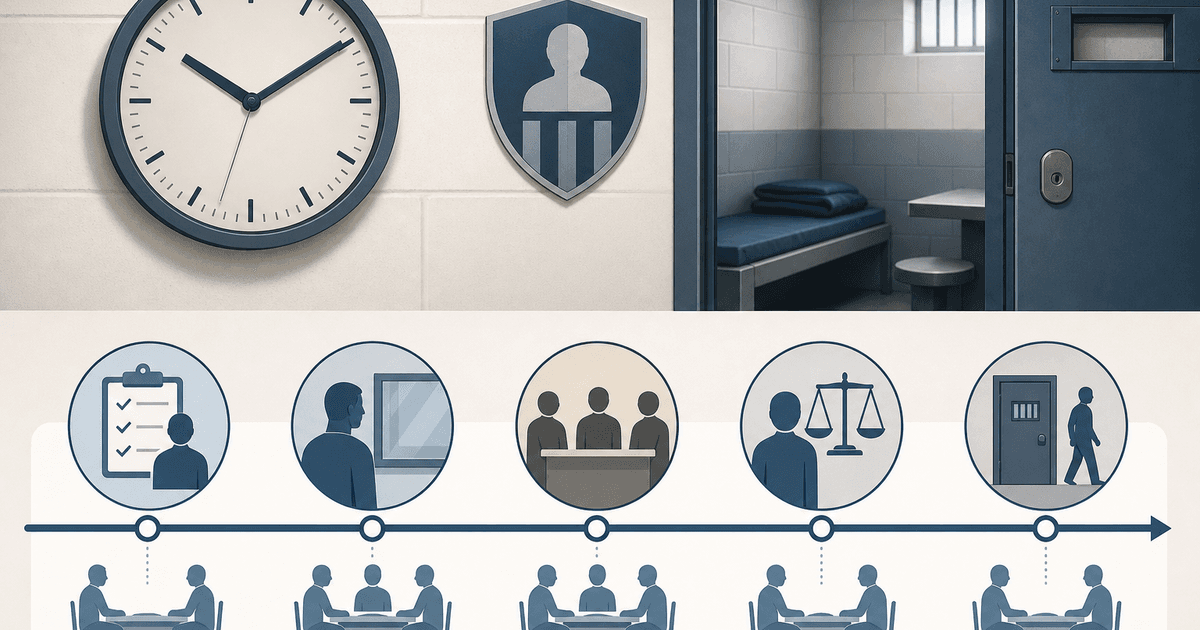
Detention Reviews Under Code C: A Rep’s Overview
10 min read · 2026-07-03
Unlawful detention undermines every subsequent interview. Representatives must track custody clocks, understand review stages, and make timely representations when continued detention is hard to justify. Detention review literacy is non-negotiable for PSRAS success and safe practice.
Read post →PACE Code C Practice Questions (2026 Quiz)
8 min read · 2026-08-20
This page is a PACE Code C quiz — not another Code C explainer. Sit five original items on the detention clock, the caution, s.58 delay, appropriate adults, and the first detention review, check the answers by Code reference, then open the wider bank with a free account while PSR Train is testing.
Read post →CIT

Five CIT Scenario Mistakes That Cost Candidates Marks
8 min read · 2026-06-05
The Critical Incidents Test rewards structured decision-making under pressure. These five mistakes appear repeatedly in trainee answers — in firm mocks and in PSR Train scenario practice — and each has a straightforward fix rooted in PACE Code C priorities.
Read post →
How to Pass the Critical Incidents Test (CIT)
11 min read · 2026-06-27
The Critical Incidents Test rewards a repeatable method, not recall. This guide sets out a four-step framework — Issues, Disclosure, Consultation, Decision — explains the mistakes that most often cost marks, and shows how to practise scenarios so your reasoning stays structured and visible under pressure. It is training information for England and Wales candidates, not legal advice.
Read post →Career

Building a PSR Portfolio While Working Full Time
9 min read · 2026-06-08
Many PSRAS candidates join firms while still employed elsewhere. Balancing unsocial custody hours, workbook quality, and exam preparation is demanding but manageable with firm communication, structured online revision, and realistic weekly goals.
Read post →
PSRAS Reaccreditation Explained for Working Reps
9 min read · 2026-06-27
Initial PSRAS qualification is not the end of professional obligation. Reaccreditation keeps accredited police station representatives current with PACE developments, ethics standards, and skills refresh. Understanding the cycle early helps career planners avoid last-minute panic when renewal windows open.
Read post →
Finding Trainee Police Station Rep Jobs in 2026
9 min read · 2026-06-29
Breaking into police station representation requires more than enthusiasm for criminal law. Firms hiring trainees look for availability, resilience, and realistic understanding of PSRAS pathways. This guide covers where roles appear, what applications should emphasise, and how to avoid common hiring mismatches.
Read post →
Ethics and Conflicts for Police Station Representatives
9 min read · 2026-07-05
Ethics units in PSRAS and real-world practice intersect constantly. Representatives face conflicts between co-defendants, prior knowledge of witnesses, confidentiality boundaries, and pressure to breach privilege. Knowing when to act, when to decline instructions, and when to escalate protects clients and careers.
Read post →Put articles into practice
Timed mock exams, MCQs, and CIT-style scenarios on PSR Train.
Start training free whilst testing