PSRAS Prep · 9 min read · 2026-06-14
PSRAS Mock Exam Strategy — Timing, Scoring, and Review Habits
Full mock exams are valuable only when timed correctly in your preparation arc. Sit them too early and you learn panic; sit them too late and you miss pattern feedback. This strategy guide helps PSRAS candidates use mocks to diagnose weak syllabus areas and build exam-day stamina without treating scores as fortune-telling.
Prerequisites before your first full mock
Complete baseline reading across PACE Codes C and D, ethics fundamentals, and at least one untimed topic quiz per major syllabus unit before attempting a full timed paper. Early mocks mainly measure how little you have read — not how well you perform under assessment conditions.
Firms differ on when they expect mock-ready candidates. Some run internal papers after a set number of supervised attendances; others rely on self-directed PSR Train practice. Align with your supervisor so mock scores feed into meaningful feedback rather than silent self-criticism.
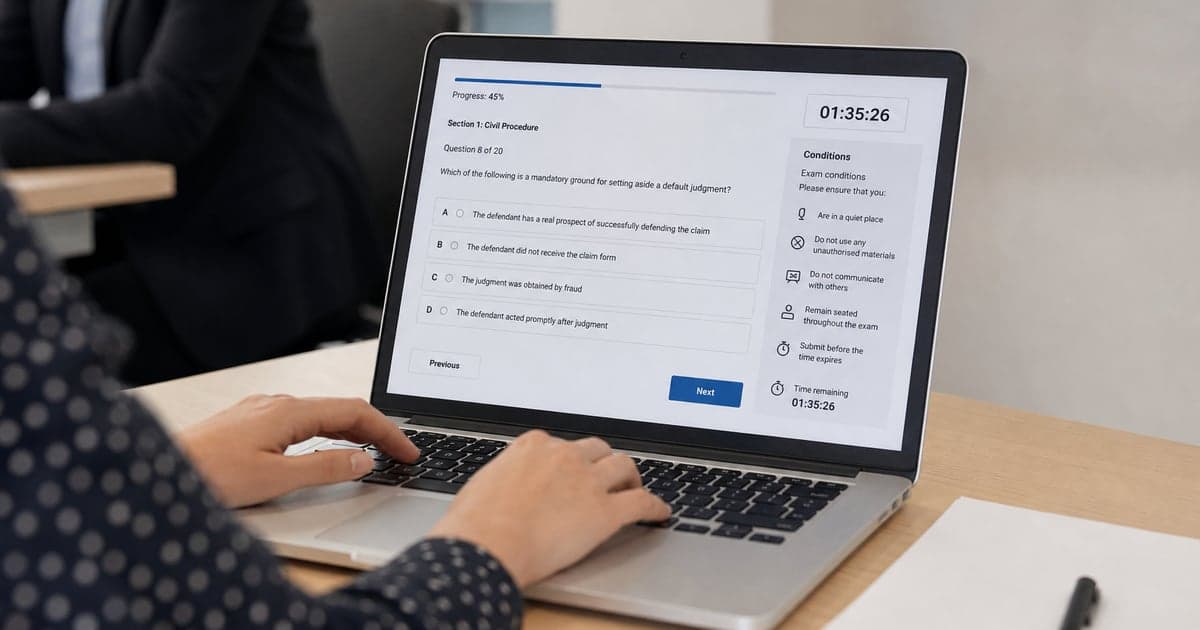
Your first full mock should use official-style conditions: uninterrupted time, no open book unless you deliberately run a diagnostic mock with lookup allowed. Note which questions required guessing — those flags matter more than a percentage headline.
Cadence: how often to sit mocks
A practical cadence for many candidates is one full mock every two weeks in the middle third of preparation, increasing to weekly in the final month if stamina allows. Between mocks, use shorter timed sets of fifteen to twenty questions targeting weak tags from the previous paper.
Avoid mock saturation. Three full papers in one weekend produces fatigue without consolidation. The review session after each mock should take as long as the mock itself — re-read explanations, locate Code references, and add missed topics to a running weak list.
Log scores by category, not only overall percentage. A pass-looking total hiding failure rates in ethics or identification is dangerous. PSR Train analytics and firm spreadsheets both support category tagging if you discipline yourself to enter results consistently.
Review technique that actually changes scores
For each wrong answer, write why the correct option is right and why your chosen option is wrong — in your own words, with a Code or syllabus reference. Copy-pasting explanations from question banks feels productive but builds weak retention.
Group errors by type: knowledge gap (never learned it), misread question (rushed), trap answer (plausible but legally wrong on a technicality), and time management (left blank). Each type has a different fix — more reading, slower first pass, trap drills, or pacing practice.
Share selective weak lists with supervisors where firm culture supports it. A fifteen-minute debrief on recurring identification errors saves hours of random revision. Bring one mock paper’s problem topics, not a vague “I am bad at PACE.”
Bridging mocks to CIT and portfolio work
Mocks test knowledge units; Critical Incidents tests application. After each mock, complete one scenario drawn from your weakest category — if detention reviews failed, run a Code C scenario with clock pressure and review representations.
Portfolio reflections can reference mock insights without turning workbooks into exam diaries. A single line linking a live attendance issue to a mock mistake demonstrates integrated learning — for example, noting that mock questions on appropriate adults sharpened your custody checklist.
PSR Train mock exam mode is a supplement to firm pathways and SRA assessment organisation materials, not a replacement. Use mocks to build confidence through evidenced improvement, not to chase perfect scores weeks before you are syllabus-ready.