PSRAS Prep · 9 min read · 2026-06-01
How to Structure Your First Week of PSRAS Revision
Week one of PSRAS prep often turns into random Code C reading with no mock rhythm. I use this day-by-day plan with trainees so you map the syllabus, sit one timed set, and finish with a CIT-style scenario before your firm check-in.
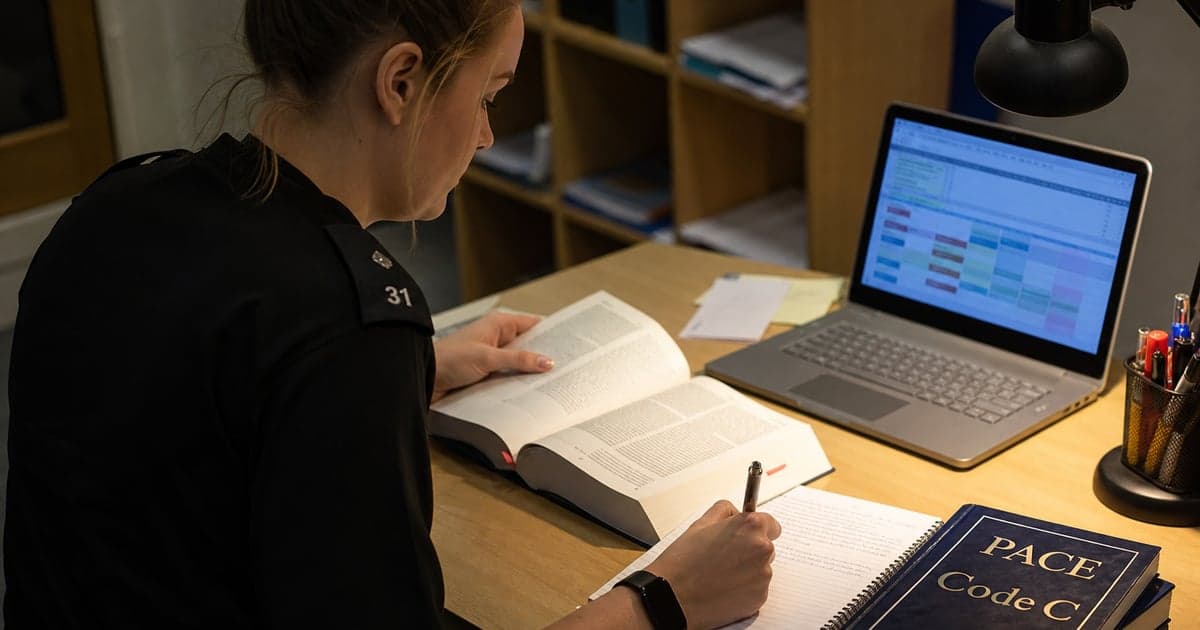
Day 1–2: Map the syllabus before you memorise detail
Before opening a question bank, spend two sessions understanding what PSRAS actually tests. Read your firm’s assessment guidance alongside the SRA syllabus outline for police station representatives. Note the split between underpinning knowledge (PACE, ethics, vulnerability) and skills units (consultation, interview attendance, post-interview decisions).
Create a simple spreadsheet with syllabus tags — U1.AO5.B for key Code provisions, U5 for client consultation, U6 for interview advice, and so on. You are not trying to master everything in week one; you are building a map so later revision has a destination.
If you are still waiting for supervised attendances, use this period for reading only. Firms expect portfolio evidence from live cases, but nobody benefits from starting timed mocks before you can explain what Code C governs in plain English.
Day 3–4: Code C foundations and one untimed topic quiz
Days three and four should focus on PACE Code C at an introductory level: detention authorisation, custody clock awareness, the caution, interview breaks, and vulnerable suspect safeguards including appropriate adults. Read the official Code C text in short chunks rather than attempting to absorb the full document in one sitting.
After each chunk, write three sentences in your own words explaining what a rep would check on arrival. This mirrors how CIT scenarios reward structured thinking — not quote-recitation, but practical triggers such as “Has an appropriate adult been considered for this 16-year-old?” or “Was private consultation offered before interview advice?”
Complete one untimed topic quiz on PSR Train or your firm’s materials. Review wrong answers by Code reference, not only by correct letter. If you miss a question on detention reviews, re-read Code C paragraph 15.1 onwards rather than immediately retaking the same quiz.
Day 5: First timed MCQ set under soft conditions
On day five, sit a short timed set. Twenty questions is enough for week one. Use a kitchen timer or PSR Train’s mock exam mode, but allow yourself a single open-book lookup if stuck. The goal is to feel time pressure without treating the score as a verdict on your career prospects.
Log accuracy by category. Most candidates discover early gaps in identification procedure (Code D awareness) or adverse inference basics. That is useful data for week two, not a reason to panic.
- Note time per question — practice MCQs are often brisk
- Flag any question where you guessed; revisit the explanation
- Share your topic weak list with your supervisor if your firm welcomes it
Day 6–7: One CIT-style scenario and a firm check-in
End the week with one Critical Incidents-style scenario. Read it twice, list Code C issues, prioritise client consultation, and say your decision trail aloud. PSR Train’s Critical Incidents module is designed for this pattern even though the live SRA CIT is an oral role-play.
Book a fifteen-minute check-in with your supervising solicitor or mentor if possible. Bring your syllabus map, quiz weak topics, and one question from the scenario you found ambiguous. Firms differ on readiness timelines; early alignment prevents studying in isolation from how your practice actually prepares candidates.
Week one is about rhythm, not perfection. Candidates who build a sustainable weekly routine (reading, timed MCQs, one scenario, portfolio reflection when attendances exist) outperform those who cram intensively and then stop for three weeks. PSR Train supplements firm-led preparation; it does not replace supervision, portfolio sign-off, or official assessment organisation materials.