PACE · 10 min read · 2026-06-03
What to Check in Your First Hour at Custody (PACE Code C)
Trainees tell me the custody suite feels chaotic in the first hour — officers pushing interview while the record still looks thin. This checklist orders what I check first: lawful detention, private consultation, vulnerability flags, and whether interview is premature.
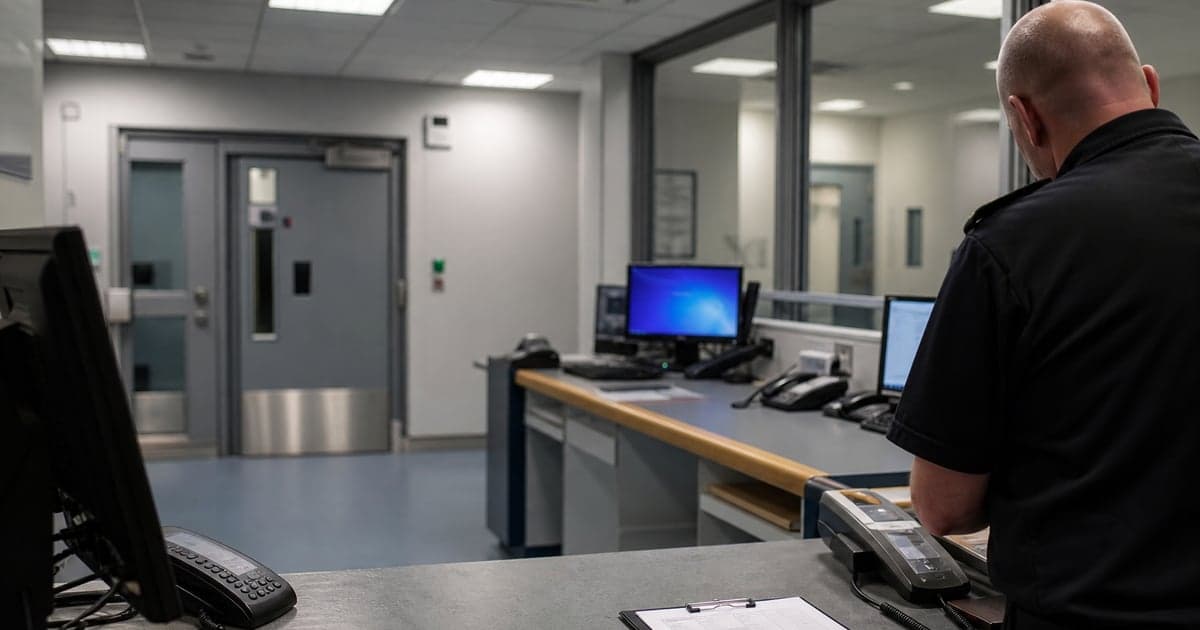
Arrival: authority, disclosure, and the custody record
Confirm your authority to act and who instructed the firm. Read the custody record before seeing the client — not instead of seeing the client, but so your consultation is informed. Code C requires proper recording of detention decisions; reps use the custody record to verify times, grounds, and review schedules.
Check whether detention has been authorised appropriately and whether the custody clock aligns with what custody staff tell you verbally. Discrepancies between the record and oral briefing are common CIT triggers in assessment scenarios and real life.
Request sufficient disclosure to advise on interview strategy. You may not receive everything in hour one, but you should know the offence, circumstance of arrest, and whether the client has been interviewed before on this investigation.
Vulnerability and appropriate adults
Code C and related guidance place significant weight on vulnerable suspects — juveniles, those with mental disorders or learning disabilities, and others needing appropriate support. Ask explicitly whether an appropriate adult is required, present, and briefed on their role. Do not assume custody has flagged everything correctly.
If language barriers exist, confirm interpreter arrangements before substantive consultation on interview tactics. Assessment scenarios often embed a failure to offer private consultation or to delay interview until support is in place.
Document your enquiries in attendance notes even when police confirm compliance. Portfolio assessors and firms look for evidence that you actively checked Code C safeguards rather than passively accepting “everything is fine.”
Private consultation and interview pressure
Private consultation with your client is a cornerstone of effective representation. In the first hour, resist pressure to advise in corridors or with officers present unless emergency circumstances genuinely require it — and know what those circumstances are under Code C and professional conduct rules.
Clients often arrive anxious and willing to “get it over with.” Your job includes explaining what interview means, what silence protections involve at an introductory level, and why rushing into an interview before you have adequate disclosure may harm their position.
If officers push for early interview, note times and reasons given. Representations about delay may become relevant later; even when they are rejected, the record shows you performed the rep role diligently.
First-hour priorities vs peripheral issues
Not every Code C breach appears in the first hour, but prioritisation matters for PSRAS assessments and practice. Client welfare and lawful procedure come before peripheral arguments about bail conditions you cannot yet influence or speculative abuse of process applications without factual foundation.
Trainees sometimes list every imaginable PACE issue without saying what they would do first on site. Supervisors want to see triage: consult the client, secure private advice, challenge unlawful procedure if present, then engage the OIC on disclosure and interview timing.
Use this checklist as a mental model for CIT practice on PSR Train and for real attendances. Pair it with timed MCQs on Code C timelines and one scenario weekly — repetition builds the pattern recognition that hour-one chaos otherwise obscures.
- Custody record times vs oral briefing
- Appropriate adult / interpreter need
- Private consultation before interview advice
- Disclosure sufficient to advise on strategy
- Detention review schedule noted