PACE · 9 min read
PACE Code C: A Practical Guide for Police Station Representatives
PACE Code C under the Police and Criminal Evidence Act 1984 governs detention, treatment, and questioning of suspects. Reps must know custody rights, the caution, interview rules, vulnerable suspect safeguards, and detention reviews. I treat this as core PSRAS assessment territory.
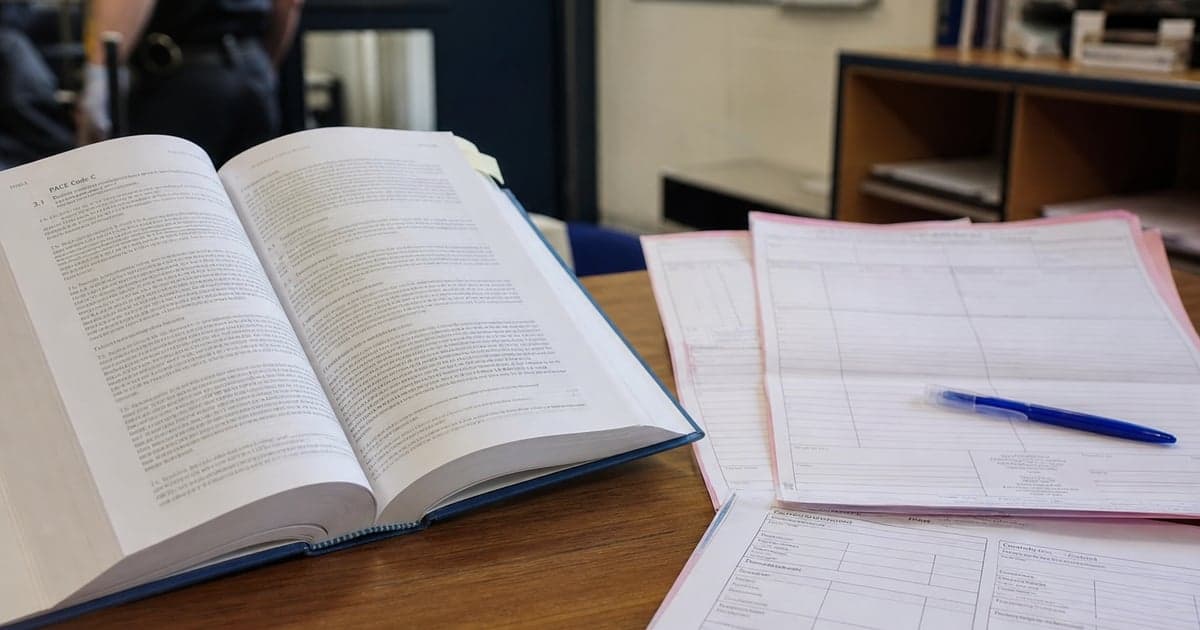
What Code C covers
Code of Practice C sits under the Police and Criminal Evidence Act 1984. It applies when people are held at police stations for questioning or have attended voluntarily for interview under caution. Reps use Code C daily to check whether custody treatment and interview procedures are lawful.
Detention and the custody clock
Ordinary detention without charge is limited. Broadly, the police have twenty-four hours from the “relevant time” under PACE 1984 s.41, extendable in serious cases with superintendent authorisation and magistrates’ warrants for further periods. Reps monitor Code C reviews, custody records, and whether grounds for detention remain.
- Relevant time and start of detention
- Periodic reviews (by an inspector before charge, the custody officer after)
- Rights to legal advice and private consultation
- Medical assessments and welfare checks
The caution and interviews
The standard caution warns that silence may harm the defence if facts later relied on were not mentioned when questioned (Criminal Justice and Public Order Act 1994 s.34). Reps advise clients after reviewing disclosure, once you understand the allegation. Code C sets rules on breaks, rest, and recording of interviews.
Vulnerable suspects and appropriate adults
Juveniles and vulnerable adults require an appropriate adult in custody and interview unless exceptions apply under Code C. Reps must recognise vulnerability triggers such as learning disability, mental health, or inability to understand, and ensure safeguards are in place before advising on interview.
Common assessment themes
Practice MCQs and CIT-style scenarios frequently test Code C timelines, interview legality, appropriate adult requirements, and whether a rep’s proposed action matches Code C and PACE 1984 priorities. Structured revision on Code C pays off in mocks and the official written examination, portfolio and CIT.
Frequently asked questions
Is Code C law or guidance?
Code C is a statutory code of practice issued under the Police and Criminal Evidence Act 1984 (PACE 1984, s.67). Failure to comply can affect admissibility and the lawfulness of detention. Reps need practical familiarity, not just overview knowledge.
Which Code C topics appear most in PSRAS prep?
Detention limits, reviews, caution and silence, vulnerable suspects, appropriate adults, and interview procedure are consistently high-yield topics.
Should reps read the full Code C text?
Yes. Assessment answers and live attendances require practical familiarity with Code C issued under the Police and Criminal Evidence Act 1984, not outline summaries alone.
Related blog posts
Related guides
Prepare with PSR Train
PSR Train offers timed MCQs, module-based study, Code C–aligned content, and CIT-style scenarios to support your PSRAS preparation.
General training information for PSRAS candidates in England and Wales. It isn't legal advice, and it doesn't replace your firm's supervision or your assessment organisation's materials.