Resources
PSR & PSRAS Training Guides
Long-form guides I use with trainees preparing for PSRAS — accreditation pathway, PACE 1984, Code C, the Critical Incidents Test, and exam preparation in England and Wales.
21 guides · General training information, not legal advice
Pair guides with practice: PACE Code C questions, Critical Incidents Test (CIT), and free PSRAS sample MCQs. New to the role? Read PSRAS written exam prep and our PSRAS study plan.
Featured guides

Exams · 2026-12-18
CIT Time Management — PSRAS Critical Incidents Test Tips
The PSRAS Critical Incidents Test rewards structured prioritisation under time limits: usually Code C issues first, client consultation next, then firm reporting. I recommend timed scenarios weekly on PSR Train.
Read guide →
Career · 2026-12-04
Freelance vs Employed Police Station Rep — Career Guide
Police station representatives may work as employees or freelance agents for multiple firms. Both routes require PSRAS accreditation and continuing competence under SRA and Legal Aid Agency expectations.
Read guide →PSRAS
What Is PSRAS? PSR Meaning, the 3 Tests and How to Qualify
9 min read · 2026-10-09
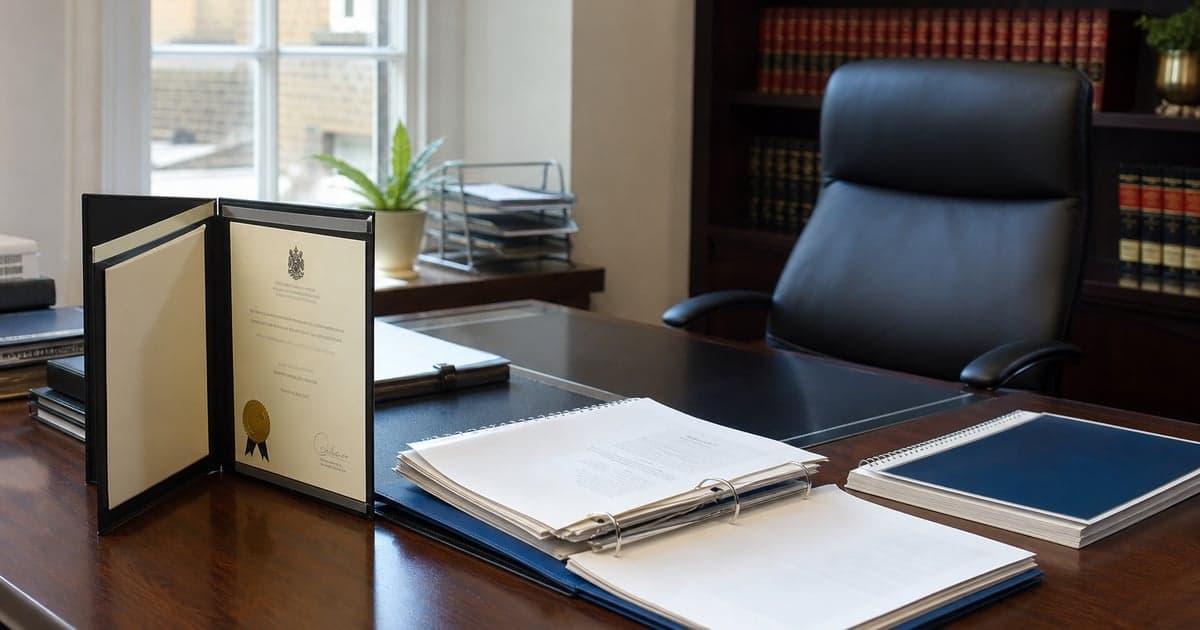
PSRAS (Police Station Representative Accreditation Scheme) is the qualification non-solicitors need to give legally aided advice at police stations in England and Wales. A PSR is a police station representative. You pass the written exam (unless exempt) and have portfolio Part A accepted, register with the Legal Aid Agency as a probationary rep, then pass portfolio Part B and the Critical Incidents Test to become accredited.
Read guide →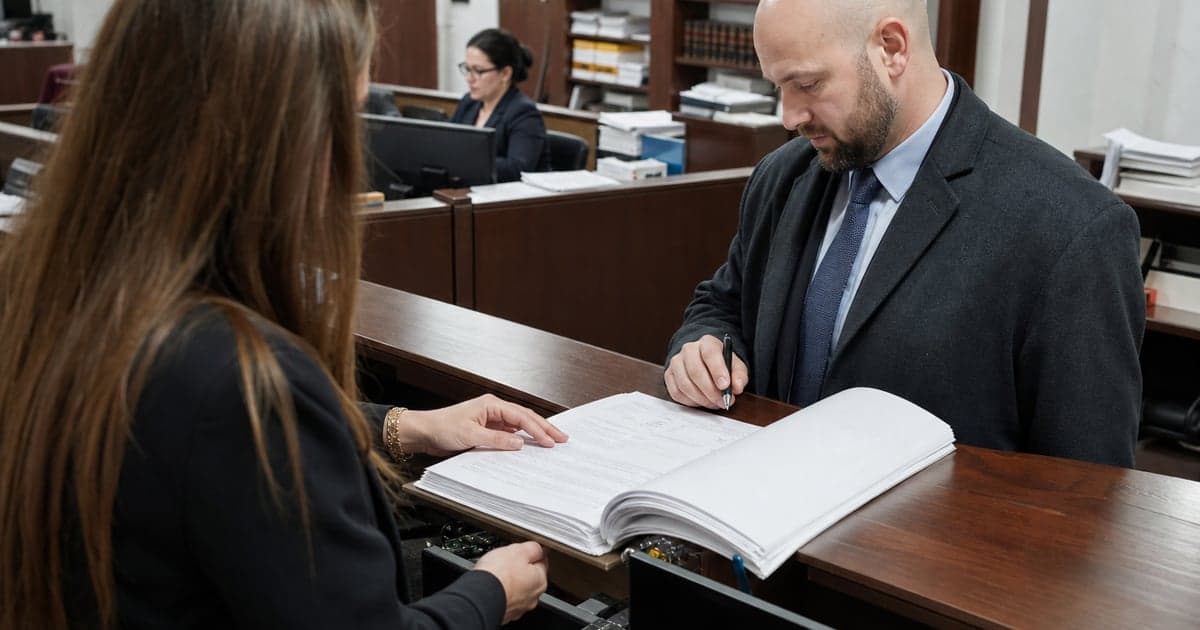
PSRAS Portfolio and Workbook Guide for Candidates
7 min read · 2026-06-05
The portfolio or workbook records supervised custody and interview attendances, reflections, and sign-off by your firm. It shows readiness for formal PSRAS assessments and safe practice development. Supervisors sign off workbooks when the reflections show real Code C thinking.
Read guide →
PSR Train Multiple-Choice Practice — How It Fits PSRAS Prep
6 min read · 2026-10-22
PSR Train multiple-choice practice is preparation, not the official PSRAS assessment. The Police Station Register Arrangements 2025 define the Relevant Tests as the portfolio (Part A and B), the written examination, and the Critical Incidents Test. Confirm the live format with your assessment organisation.
Read guide →
PSRAS Workbook Sign-Off — Firm Expectations Guide
7 min read · 2026-11-05
Workbook sign-off confirms supervised attendances meet PSRAS standards, including PACE 1984 and Code C analysis in reflections. Firms sign when candidates show safe, progressing practice.
Read guide →Career

PSRAS Study Plan: Prepare to Become a Police Station Rep
9 min read · 2026-10-09
PoliceStationRepUK covers the accreditation route; this guide is for preparation. I map what each PSRAS stage tests and how to split revision between timed MCQs, CIT scenarios, and portfolio habits while you are with a firm.
Read guide →
What Does a Police Station Representative Do?
7 min read · 2026-04-08
A police station representative advises clients in police custody or at voluntary interviews, reviews disclosure, takes instructions, advises on interview strategy, and attends interviews under firm supervision and within Code C rules under the Police and Criminal Evidence Act 1984. This is the job I am training you for.
Read guide →
Finding Trainee Police Station Rep Roles in England & Wales
6 min read · 2026-11-20
Trainee police station representative roles are advertised by criminal defence firms and agencies. Candidates need firm supervision for PSRAS workbook attendances. Online study alone cannot replace a training contract.
Read guide →Freelance vs Employed Police Station Rep — Career Guide
7 min read · 2026-12-04
Police station representatives may work as employees or freelance agents for multiple firms. Both routes require PSRAS accreditation and continuing competence under SRA and Legal Aid Agency expectations.
Read guide →PACE
PACE Code C Guide for Police Station Representatives
9 min read · 2026-04-22
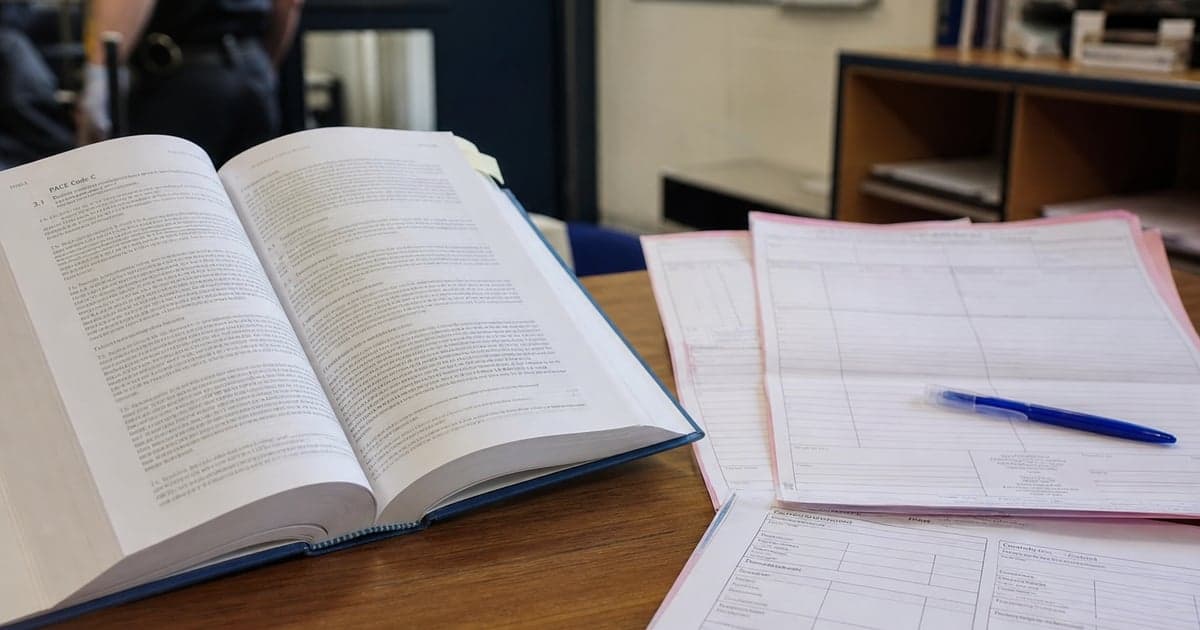
PACE Code C under the Police and Criminal Evidence Act 1984 governs detention, treatment, and questioning of suspects. Reps must know custody rights, the caution, interview rules, vulnerable suspect safeguards, and detention reviews. I treat this as core PSRAS assessment territory.
Read guide →
PACE Codes of Practice Overview for PSR Candidates
6 min read · 2026-05-06
PACE Codes A–H under the Police and Criminal Evidence Act 1984 set rules for stop and search, detention, identification, interviews, and more. For PSRAS, I tell trainees to prioritise Code C (detention and questioning) and Code D (identification), with awareness of others as scenarios require.
Read guide →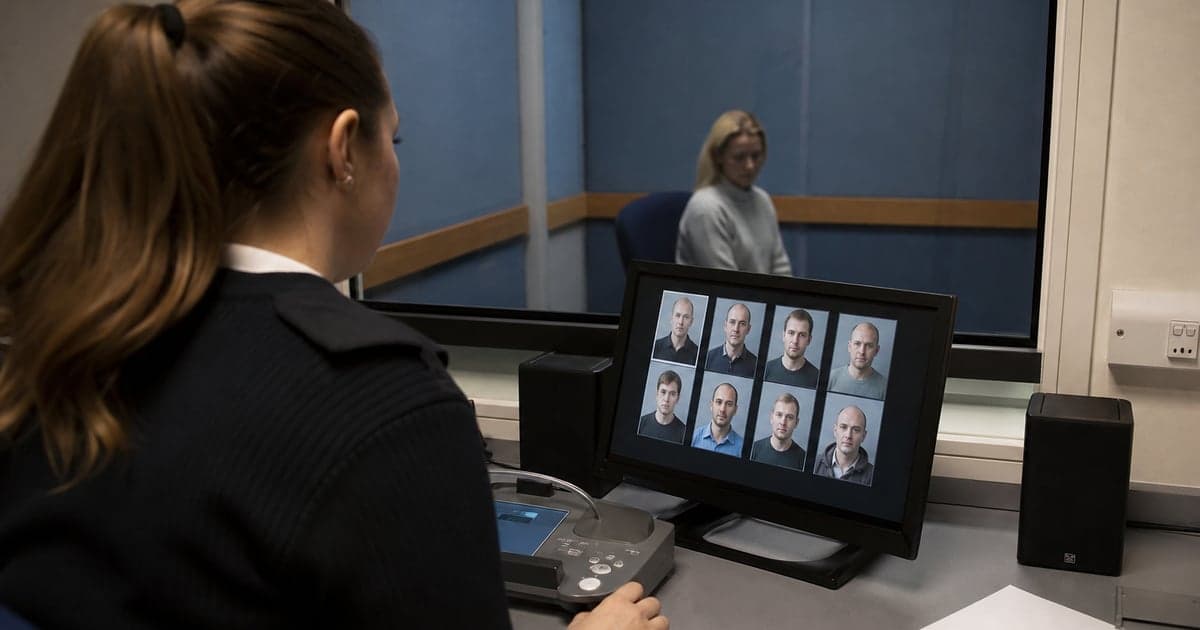
PACE Code D: Identification Procedures for Police Station Reps
8 min read · 2026-07-08
Code D under the Police and Criminal Evidence Act 1984 governs identification procedures: live parades, video identification (VIPER), and fingerprints. I want trainees to spot defective ID before advising on interview.
Read guide →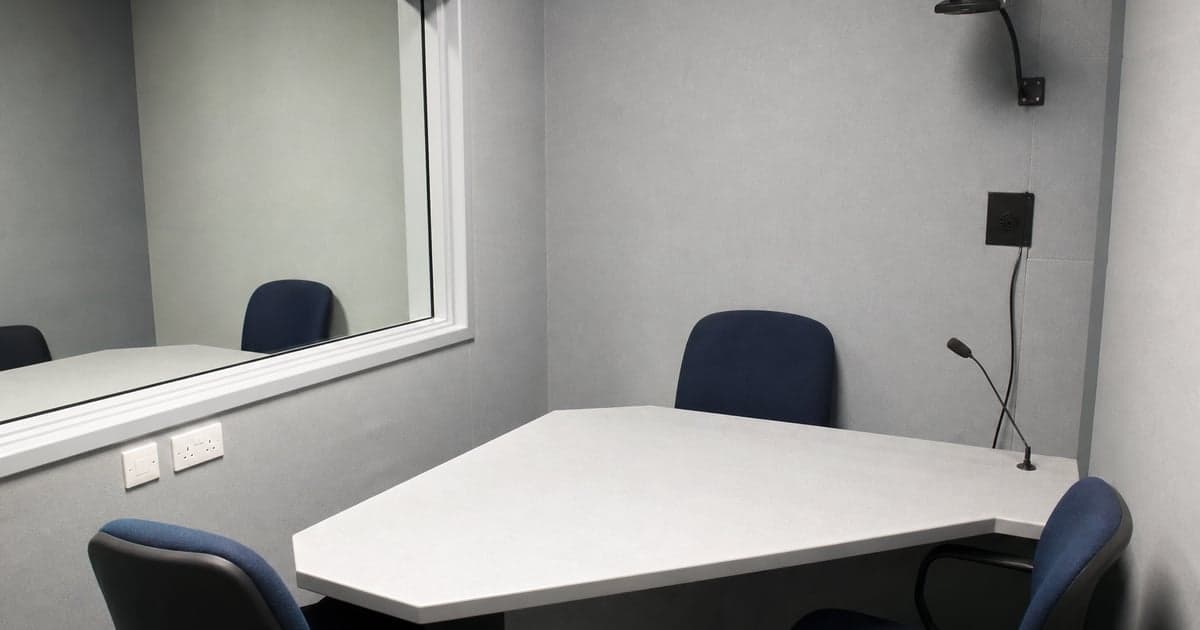
PACE Code E: Recorded Interviews — Rep Guide
7 min read · 2026-07-22
Code E under the Police and Criminal Evidence Act 1984 sets standards for audio recording of interviews. Reps rely on Code E with Code C to check breaks, recording integrity, and whether interview evidence may be challenged.
Read guide →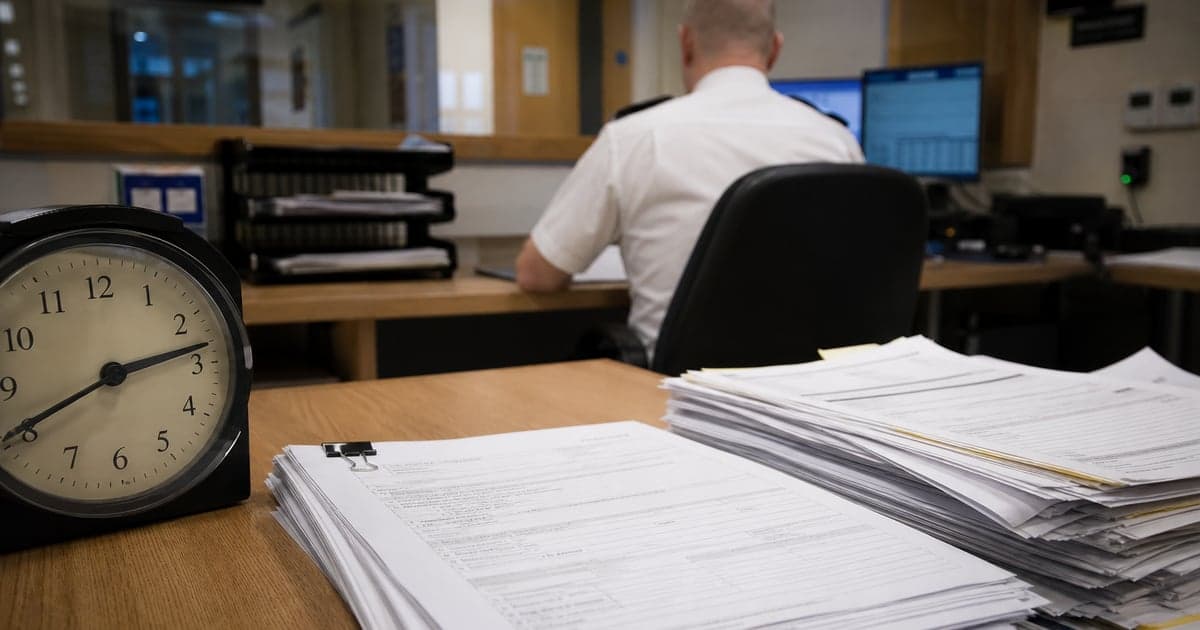
PACE Detention Reviews and s.40 — Police Station Rep Guide
8 min read · 2026-08-05
Under PACE 1984 s.40, detention reviews before charge are done by an officer of at least inspector rank who isn’t directly involved in the investigation. After charge, the custody officer does them. I want reps to check both on the custody record, because continued detention has to stay authorised as the clock runs.
Read guide →
Appropriate Adults in Custody — PACE Code C Guide
7 min read · 2026-08-20
Code C under the Police and Criminal Evidence Act 1984 requires appropriate adults for juveniles and vulnerable adults in custody and interview. Reps must ensure the safeguard is in place before giving interview advice.
Read guide →
Bail and Release Under Investigation — Rep Guide
7 min read · 2026-09-04
After custody, clients may be bailed, released under investigation, charged, or released without charge. Reps advise on immediate interview strategy under Code C and report likely outcomes to the instructing firm.
Read guide →
Youth Custody and PACE Code C — Rep Guide
8 min read · 2026-09-18
Juveniles in custody receive enhanced Code C safeguards under the Police and Criminal Evidence Act 1984: appropriate adults, notification duties, and careful interview management. Know these before advising.
Read guide →
Initial Disclosure at the Police Station — Rep Guide
7 min read · 2026-10-06
Reps need sufficient disclosure to advise on interview under Code C. The Police and Criminal Evidence Act 1984 framework expects clients to understand the nature of the allegation before the caution is relied on in interview.
Read guide →Exams

Critical Incidents Test (CIT) — PSRAS Assessment Guide
8 min read · 2026-05-22
The CIT presents realistic custody or interview scenarios and asks you to identify issues, prioritise actions, and justify decisions, often under time pressure. It tests application of PACE Code C and related procedure, not rote memorisation alone.
Read guide →
PSRAS Written Exam: Format, Sample Questions & Prep
12 min read · 2026-10-09
The written paper is one of the LAA Relevant Tests. I explain what it tests, how to practise without pretending unofficial MCQs are past papers, and where to verify format and pass standards with Cardiff, Datalaw, or the SRA.
Read guide →
PSRAS Exam Preparation Tips — MCQs, Written Papers & CIT
8 min read · 2026-06-18
Effective PSRAS preparation combines spaced Code C and PACE 1984 revision, timed MCQ practice, weekly CIT scenarios, and firm feedback on workbook attendances. Mock exams under time pressure reveal gaps better than passive reading alone.
Read guide →CIT Time Management — PSRAS Critical Incidents Test Tips
6 min read · 2026-12-18
The PSRAS Critical Incidents Test rewards structured prioritisation under time limits: usually Code C issues first, client consultation next, then firm reporting. I recommend timed scenarios weekly on PSR Train.
Read guide →Ready to practise?
Put what you learn into action with timed MCQs, modules, and CIT-style scenarios.
Start training free while testing