PSRAS · 6 min read
PSRAS Multiple Choice Assessments Explained
PSRAS multiple-choice papers test PACE 1984, Code C, Code D, and professional conduct under time pressure. Timed MCQ practice builds speed and accuracy before authorised assessment sittings.
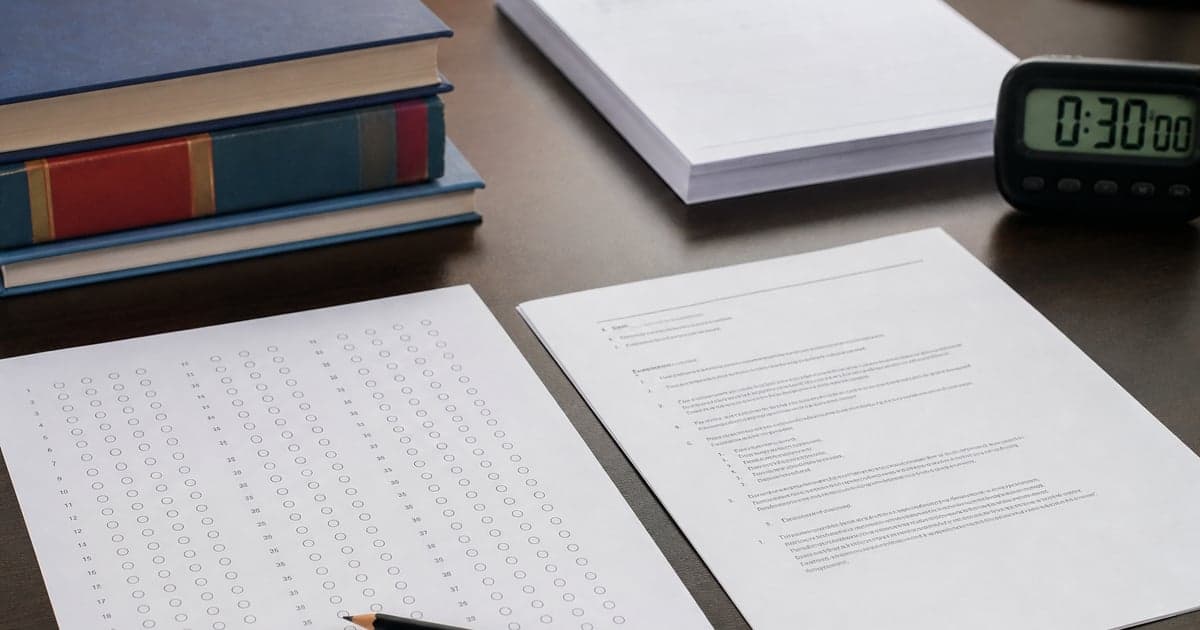
What MCQs test
Questions typically probe Code C detention, interview procedure, identification under Code D, and ethical boundaries — application rather than abstract memorisation alone.
Timing and exam technique
- Work to a steady pace — flag and return to hard questions
- Eliminate obviously wrong distractors
- Watch for Code-specific triggers in the stem
- Review wrong answers by Code C and Police and Criminal Evidence Act 1984 references
Using PSR Train for MCQs
Timed mock sets simulate assessment pressure. Track weak topics and revisit Code C guides before the next mock — spaced repetition beats cramming.
Frequently asked questions
How many MCQ papers are there?
The authorised assessment route sets the current paper structure — confirm with your firm and assessment organisation for the sitting you are entered for.
Can I use PSR Train instead of official materials?
PSR Train supplements official preparation — it does not replace authorised assessment organisation resources or firm supervision.
Which Code appears most in MCQs?
Code C dominates; Code D and professional conduct topics are also frequent in PSRAS-style questions.
Related blog posts
Related guides
Prepare with PSR Train
PSR Train offers timed MCQs, module-based study, Code C–aligned content, and CIT-style scenarios to support your PSRAS preparation. Training guidance only — completion does not confer accreditation.
This guide is general training information for PSRAS candidates in England and Wales. It is not legal advice and does not replace firm supervision, official assessment materials, or authorised assessment organisations.