PACE · 8 min read
PACE Code D: Identification Procedures Explained
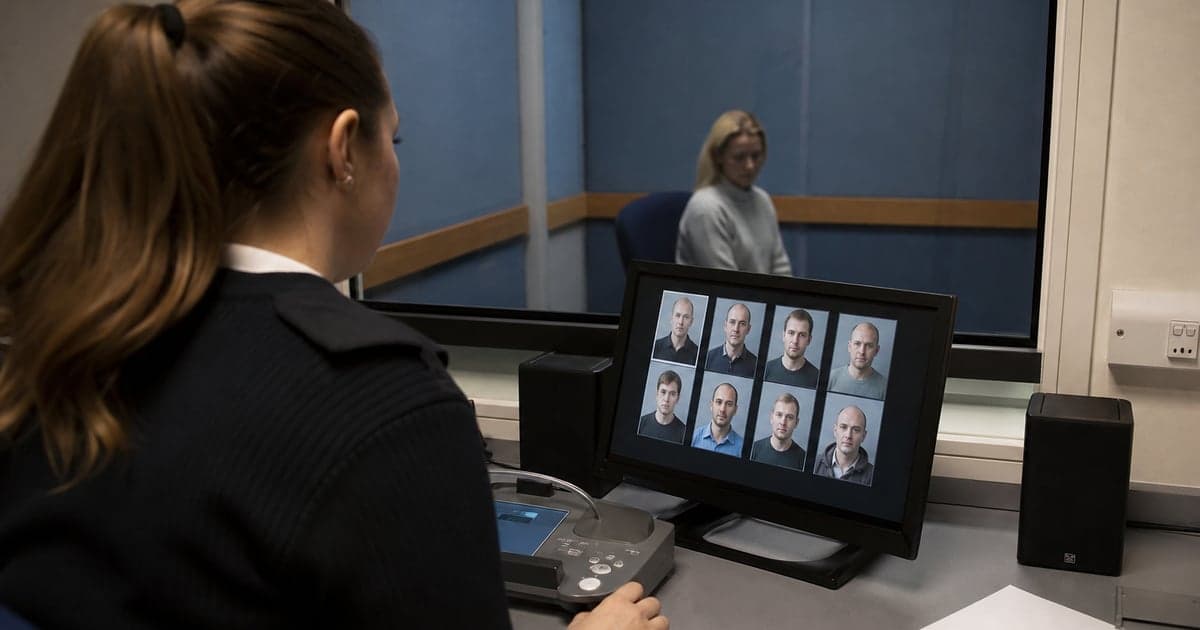
Code D under the Police and Criminal Evidence Act 1984 governs identification procedures: live parades, video identification (VIPER), and fingerprints. I want trainees to spot defective ID before advising on interview.
Why Code D matters at the police station
Many custody cases turn on whether the client was correctly identified. Code D sets when and how police must run identification procedures. If ID is weak or procedurally flawed, that shapes disclosure review and interview strategy under Code C and the Police and Criminal Evidence Act 1984.
Common Code D procedures
- Video identification (VIPER): witness compares suspect to similar images
- Identification parades: live or via video link in some forces
- Group identification: informal viewing (strict Code D rules apply)
- Fingerprints and samples: separate statutory powers but linked to ID disputes
Rep actions when identification is disputed
Check custody records and disclosure for what ID steps have been taken. Ask whether the client denies involvement, denies presence, or accepts presence but disputes role. Each answer affects whether Code D was required and whether further ID should run before interview.
PSRAS assessment focus
MCQs and CIT scenarios often combine Code C interview timing with Code D defects, for example interviewing before required ID, or proceeding without an appropriate adult during ID procedures for juveniles.
Frequently asked questions
Must police always run VIPER before interview?
Not in every case. It depends on whether identification is in issue and what steps are reasonably practicable. Reps should know when Code D requires action and challenge premature interviews.
Is Code D part of PSRAS training?
Yes. Code D sits alongside Code C as high-priority revision for police station representative assessments.
What if the client has already been picked out informally?
Informal or street identification may trigger Code D safeguards. Document what happened and whether subsequent procedures cured or compounded the defect.
Related blog posts
Related guides
Prepare with PSR Train
PSR Train offers timed MCQs, module-based study, Code C–aligned content, and CIT-style scenarios to support your PSRAS preparation.
General training information for PSRAS candidates in England and Wales. It isn't legal advice, and it doesn't replace your firm's supervision or your assessment organisation's materials.