PACE · 10 min read · 2026-06-12
PACE Code D Identification Procedure — Essentials for Police Station Reps
Identification often decides assault and robbery cases, yet trainees treat Code D as something that happens after they leave custody. I explain why pre-interview disclosure and instructions still turn on how witnesses say they recognised your client.
Why Code D matters at the police station
PACE Code D governs identification procedures in England and Wales, from video identification parades to group and street identifications. Much of the procedure occurs after your initial attendance, but clients are often arrested because a witness has already pointed to them or described them to officers.
Reps should ask early whether identification is an issue in the investigation. Custody records and officer briefings sometimes bury this detail beneath offence summaries. Knowing that a VIPER parade is planned, or that a contested street identification occurred, shapes how you advise on interview answers and prepared statements.
PSRAS assessments regularly test Code D awareness alongside Code C interview rights. Candidates confuse when an identification procedure must be held with when a rep may attend — understanding both helps in MCQs and in live representations to the officer in charge.
Street identification and first descriptions
Code D places strict conditions on pre-parade identification, including street identifications where a witness sees the suspect in person rather than through a formal procedure. Reps should enquire whether any informal identification has taken place and whether it complied with Code D safeguards.
Ask what description was given before any identification event. Significant inconsistencies between initial description and the person arrested may be relevant to bail representations and later challenge, even if full argument belongs to trial counsel. Note details in attendance records for the instructing firm.
Clients may not realise they were “picked out” at the scene. Explaining identification issues in plain language (“Someone says they recognise you from an incident; the police may arrange a formal video procedure”) helps clients participate sensibly in consultation without coaching them to lie.
Formal procedures: VIPER and alternatives
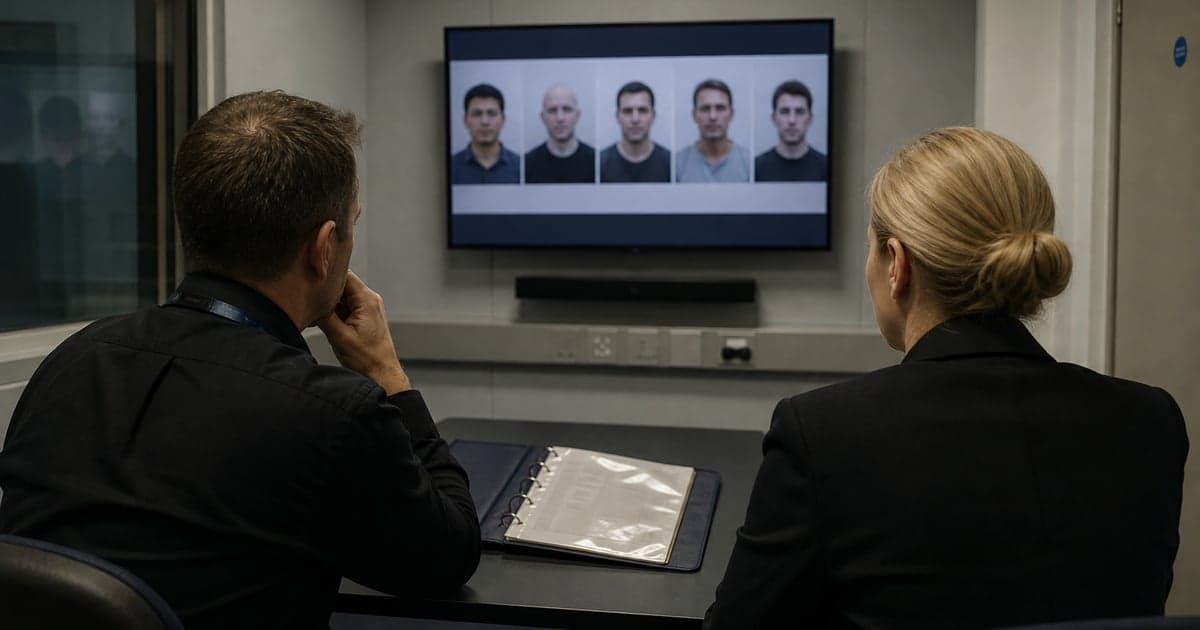
Video identification procedures (often referred to as VIPER parades) are the default when the suspect is known and available. Code D sets requirements for fairness, including that the suspect should be shown in similar circumstances to other images unless exceptions apply.
Representatives may attend identification procedures in appropriate cases. Even when attendance is later, your custody advice should preserve the client’s position: avoid casual comments in cell areas that could be misreported, and ensure the client knows a formal procedure may follow rather than assuming the arrest ends the identification process.
Where identification is weak, reps sometimes make representations about proceeding to interview before a fair parade — particularly if officers seek admissions to compensate for fragile ID evidence. Document representations even when rejected; they demonstrate proactive Code D engagement for portfolio and firm standards.
Revision hooks for PSRAS candidates
Build a one-page Code D map: street ID rules, parade types, when duplicates are used, and suspect cooperation duties. Pair it with PSR Train MCQs tagged to identification. Many candidates over-revise Code C timelines while neglecting Code D multiple-choice traps.
In CIT scenarios, identification failures often sit in the background — an inappropriate street ID before arrest, or no consideration of whether the witness description matches your client. Train yourself to ask identification questions in every scenario involving eyewitness allegations.
This overview supports accredited representatives and trainees in England and Wales. Detailed challenge to identification admissibility may require instructing solicitor and counsel input; your custody role is to spot issues early, advise the client sensibly, and pass accurate notes upstream.