PACE · 6 min read
PACE Codes of Practice: Overview for PSRAS Candidates
PACE Codes A–H under the Police and Criminal Evidence Act 1984 set rules for stop and search, detention, identification, interviews, and more. For PSRAS, I tell trainees to prioritise Code C (detention and questioning) and Code D (identification), with awareness of others as scenarios require.
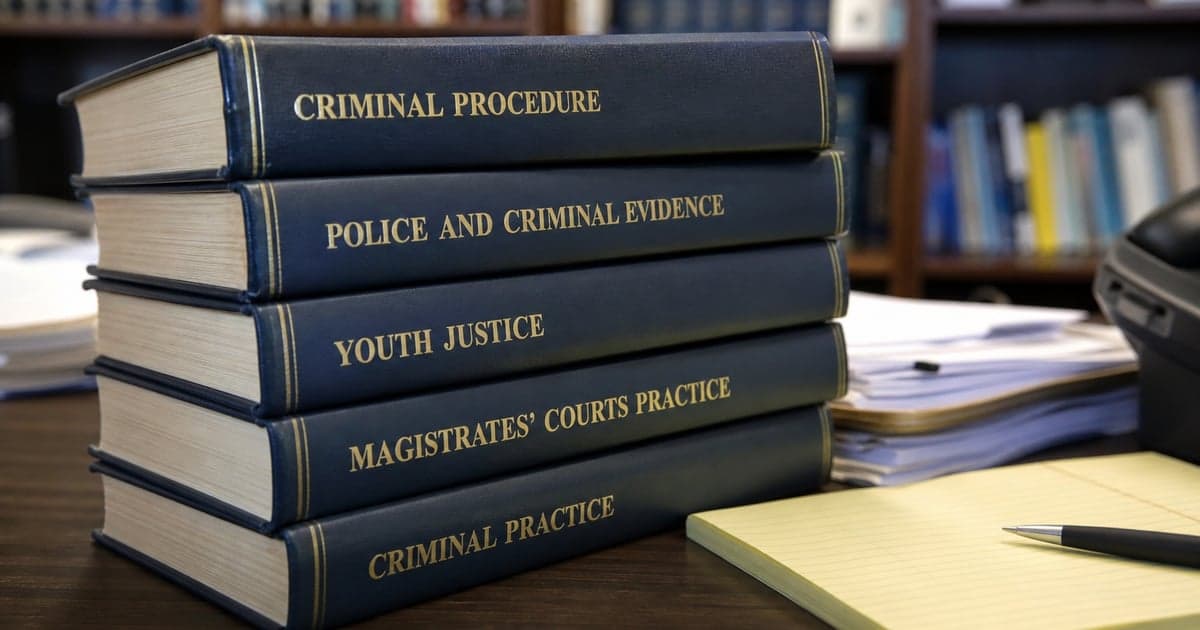
The code map
- Code A: stop and search (powers and safeguards)
- Code B: searching premises and seizing property
- Code C: detention, treatment, and questioning (priority for reps)
- Code D: identification procedures (VIPER, parades, etc.)
- Code E: audio recording of interviews
- Code F: visual recording with sound (where used)
- Code G: arrest powers (including necessity test awareness)
- Code H: detention of terrorism suspects (specialist)
Priority for police station reps
Most custody attendances centre on Code C and Code D. Reps should read identification procedures in Code D when clients appear on VIPER or when identification is disputed. Awareness of Code E helps when advising on recorded interviews.
Using codes in assessments
Examiners expect candidates to name the correct code, cite the practical issue (for example appropriate adult absent, identification not run properly), and prioritise the client’s immediate interests. That is exactly what CIT scenarios test.
Frequently asked questions
Do I need to memorise every Code?
Focus depth on Code C and Code D under the Police and Criminal Evidence Act 1984; maintain working awareness of others. Assessment preparation should emphasise high-frequency custody and interview issues.
Which Code is tested most in PSRAS?
Code C dominates MCQs and CIT scenarios; Code D identification issues appear regularly alongside Code C interview timing.
Where are the Codes published?
Codes of Practice are issued under PACE 1984 s.67. Use current Home Office versions when revising for assessments and live attendances.
Related blog posts
Related guides
Prepare with PSR Train
PSR Train offers timed MCQs, module-based study, Code C–aligned content, and CIT-style scenarios to support your PSRAS preparation.
General training information for PSRAS candidates in England and Wales. It isn't legal advice, and it doesn't replace your firm's supervision or your assessment organisation's materials.