PACE · 9 min read · 2026-06-17
Representing Clients at Voluntary Police Interviews
Voluntary interviews are increasingly common in England and Wales investigations. Clients may not appreciate that they can leave in theory yet face arrest if they do, or that what they say still matters evidentially. Representatives attending voluntary interviews need a distinct checklist from standard custody work.
Voluntary status: what it is and is not
A voluntary interview typically means the client is not under arrest at the point of attendance, though they must be cautioned if suspected of an offence. They are generally free to leave unless arrested. Clients often misread “voluntary” as informal — reps must correct that gently before any questioning.
Officers may threaten arrest if the client discontinues cooperation. That is not automatically unlawful but affects advice on whether to remain, seek further disclosure, or provide a prepared statement. Your advice balances practical coercion against legal rights without instructing obstruction for its own sake.
Confirm how the firm was instructed and whether legal aid covers voluntary attendance under current schemes. Administrative confusion here delays advice — clarify funding and authority before travel where possible.
Disclosure and consultation before questions
Disclosure standards in voluntary interviews can be thinner than custody cases, yet clients still need sufficient material to make informed decisions. Request offence summary, key witness accounts, CCTV availability, and what police hope to establish before advising on comment or silence.
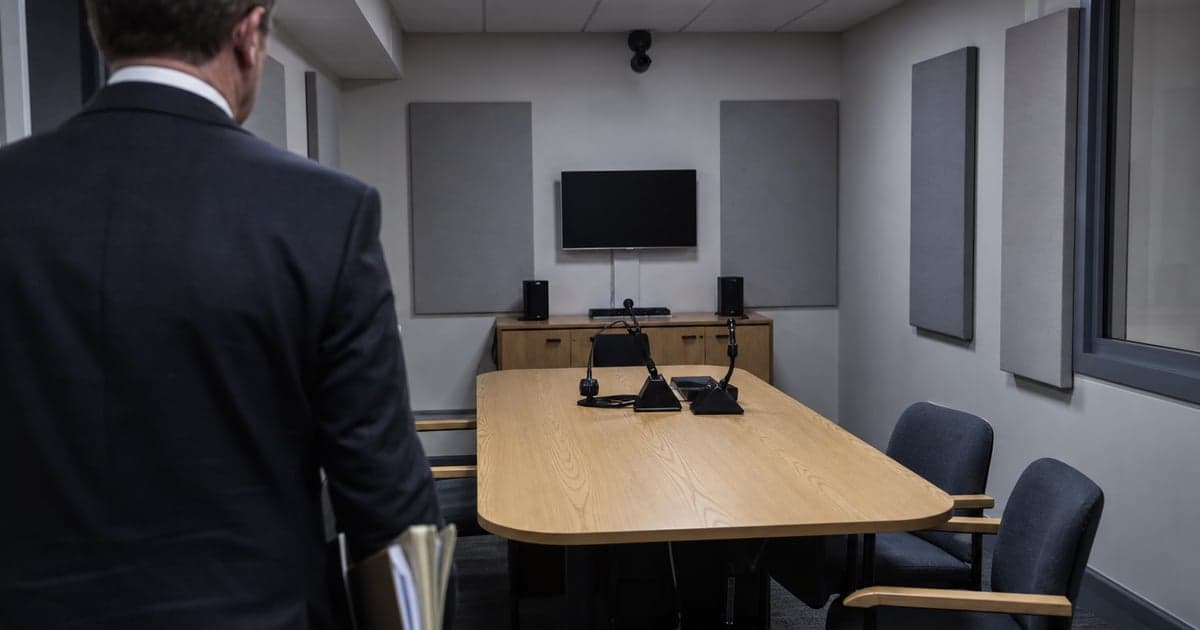
Private consultation space may be less formal than custody suites — but privilege and confidentiality still matter. Avoid advising in waiting areas where conversations are overheard. If suitable rooms are refused, note representations.
PSRAS scenarios sometimes blend voluntary and custody elements — a client who attends voluntarily then is arrested mid-interview. Practise identifying the moment status changes and what fresh rights arise, including custody clock and review schedules.
Attendance logistics and appropriate adults
Juveniles and vulnerable adults require appropriate adult safeguards in voluntary interviews as in custody. Verify age and vulnerability before travel. If an appropriate adult cannot attend, consider whether the interview should proceed or be rescheduled — do not assume voluntary status relaxes Code C protections.
Travel time is billable work but also risk time — clients may discuss the case in cars or station corridors. Brief them early: no case discussion in public areas, no social media contact with witnesses, no “quick chats” with officers without you present.
Document start times, caution given, disclosure received, and advice provided. Voluntary interview files are portfolio-eligible at many firms when properly supervised — treat them with the same note discipline as overnight custody.
Exam and practice integration
Revise voluntary interview topics alongside bail and RUI outcomes — investigations often move between voluntary attendance, released under investigation, and arrest. Understanding the pipeline helps clients navigate months-long enquiries.
Use PSR Train scenario branches involving pre-arrest interviews to practise explaining adverse inference and prepared statements without custody pressure tropes. Communication clarity scores highly when clients are anxious but technically free to leave.
General guidance for accredited representatives and trainees in England and Wales — not case-specific legal advice. Escalate arrest during voluntary attendance or serious disclosure failures to your supervising solicitor promptly.